Sleep Pressure Explained: The Science of Adenosine and Your Sleep Drive
When I finally understood why some nights feel impossible despite exhaustion, it changed everything about how I approach sleep. After dealing with anxiety-driven insomnia for roughly ten years, I learned that the problem wasn’t just about being tired. Sleep pressure operates on its own schedule, and fighting it only makes things worse.
Quick Picks


Sleep pressure, also called the homeostatic sleep drive, is your body’s biological signal that increases the longer you stay awake. Think of it as an internal timer that counts up throughout your waking hours, building an unstoppable urge to sleep. The chemical messenger behind this process is adenosine, a neurotransmitter that accumulates in your brain as you use energy during the day.
Understanding sleep pressure explains why you can follow all the sleep hygiene rules in the world and still struggle. When anxiety is in the picture, the homeostatic system doesn’t care how perfect your bedroom environment is or how consistent your routine is. It operates independently, which is both frustrating and liberating once you accept it.

What Sleep Pressure Actually Is
Sleep pressure is one half of the two-process model of sleep regulation. Process S, the homeostatic sleep drive, works alongside Process C, your circadian rhythm. While your circadian system regulates when you feel alert or drowsy based on time of day and light exposure, sleep pressure builds continuously from the moment you wake up.
The longer you stay awake, the stronger sleep pressure becomes. This happens because of adenosine accumulation in your brain, particularly in areas like the basal forebrain and cortex. Adenosine is a breakdown product of adenosine triphosphate (ATP), the primary energy currency in your cells. When your brain uses energy during waking activities, ATP breaks down and adenosine builds up in the spaces between brain cells.
Research published in the Journal of Sleep Research explains that adenosine acts on specific receptors, primarily A1 and A2A receptors, to promote sleep. As adenosine accumulates, it inhibits wake-promoting neurons and activates sleep-promoting neurons, creating that overwhelming feeling of sleepiness after a long day. This process is homeostatic because it self-regulates: the more you stay awake, the higher your sleep pressure climbs, and the more your body demands rest.
I remember when I first learned about how sleep debt accumulates through adenosine buildup. It explained why those nights when I was utterly exhausted but couldn’t fall asleep were so frustrating. My sleep pressure was high, but anxiety was overriding the normal signals. Understanding the mechanism helped me stop blaming myself for something that was partly biochemical.
How Adenosine Creates Sleep Pressure
Adenosine production is directly tied to neural activity and energy consumption. Every time your neurons fire and your brain processes information, ATP gets converted to adenosine. During a typical waking period, adenosine concentrations in key brain regions gradually increase, reaching peak levels after about 16 hours of wakefulness.
According to research from PNAS, adenosine A1 receptor availability increases significantly during extended wakefulness and returns to baseline levels after recovery sleep. The study found that individuals who showed larger increases in A1 receptor availability were more resilient to sleep loss effects, suggesting that differences in the adenosinergic system contribute to individual variation in how people respond to sleep deprivation.
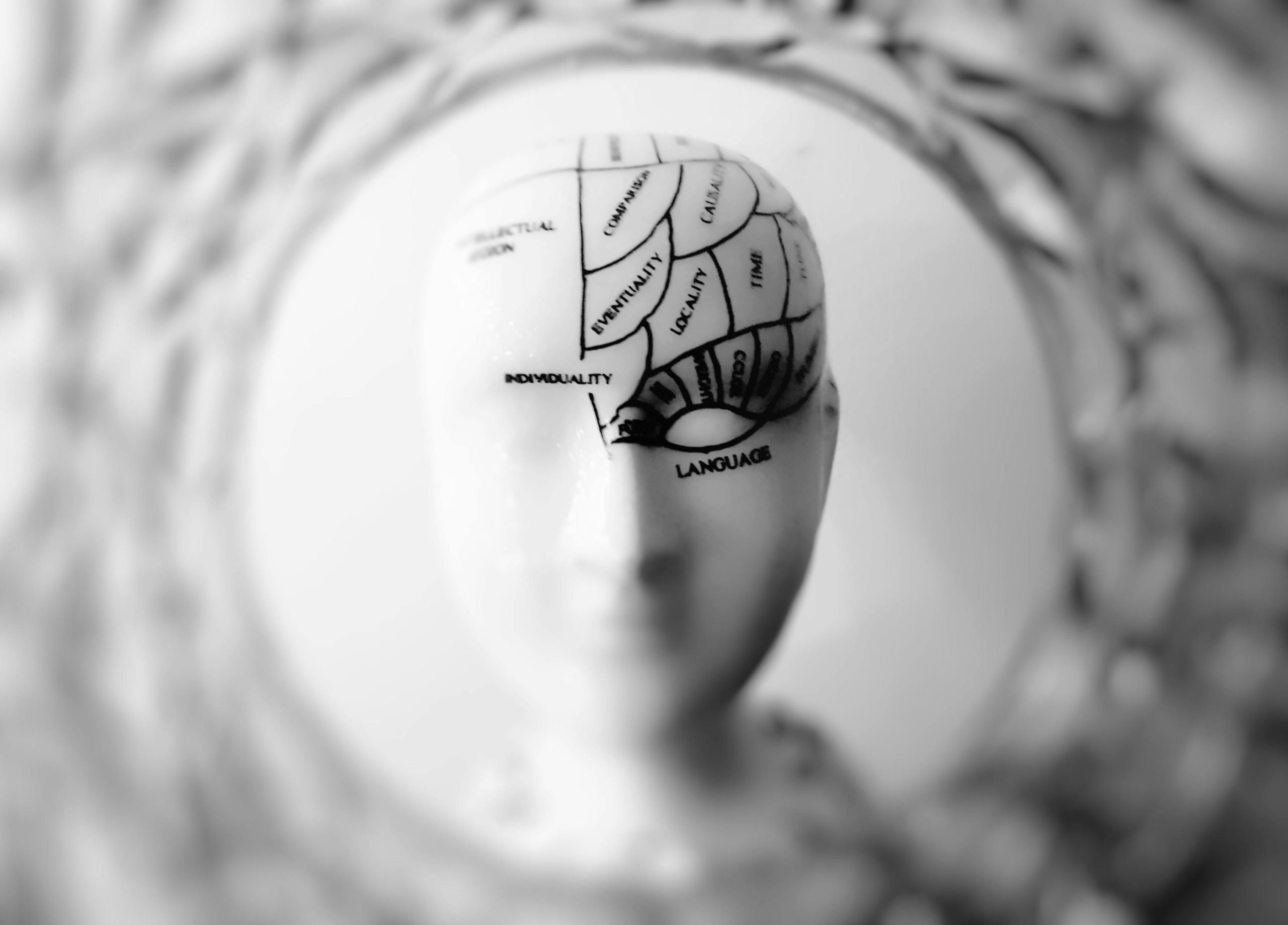
The basal forebrain appears to be particularly important for adenosine-mediated sleep regulation. Research in Science magazine identified that glutamatergic neurons in the basal forebrain mediate increased sleep pressure during wakefulness. When these neurons are active, they stimulate adenosine release, which then acts on nearby brain regions to promote sleep.
What fascinated me when learning about this system was how mechanical it is. Your brain doesn’t care about your deadline tomorrow or your presentation next week. Adenosine builds up according to how long you’ve been awake and how much mental energy you’ve expended. This understanding helped me develop my acceptance-based approach: getting upset about not sleeping is like getting upset that it’s raining outside. It’s pointless.
The homeostatic drive works alongside your circadian rhythm system to determine optimal sleep timing. When both systems align – high sleep pressure at night when your circadian rhythm is primed for rest – falling asleep becomes effortless. When they’re misaligned, you get the frustrating experience of being exhausted at 3 PM but wide awake at bedtime.
The Two-Process Model of Sleep Regulation
The two-process model, first proposed by Alexander Borbély in 1982, remains the dominant framework for understanding sleep regulation. Process S (homeostatic sleep pressure) and Process C (circadian rhythm) interact to create your daily pattern of sleep and wakefulness.
Process S rises exponentially during wakefulness and decreases exponentially during sleep. The rate of decline during sleep depends on sleep intensity, which is why deep sleep (particularly slow-wave sleep) in the first part of the night is so restorative. The deeper your sleep, the faster adenosine clears and sleep pressure dissipates.
Process C, your circadian rhythm, oscillates with a roughly 24-hour period and is synchronized primarily by light exposure. It promotes wakefulness during the day and sleep at night, independent of how long you’ve been awake. The interaction between these two processes explains phenomena like the afternoon dip in alertness (when sleep pressure is building but circadian alerting is temporarily reduced) and the wake maintenance zone in the early evening (when circadian alerting is strong even though sleep pressure has built up considerably).

Research from the Sleep Foundation notes that adenosine accumulation during wakefulness creates the sensation that drives you toward sleep. While you sleep, your brain converts adenosine back into ATP, essentially resetting your sleep drive. This is why recovery sleep after sleep deprivation is characterized by increased slow-wave activity: your brain is working overtime to clear the accumulated adenosine backlog.
In my own experience, understanding that consistent wake times matter more than consistent bedtimes changed how I approached my sleep schedule. I used to stress about getting to bed at exactly the same time every night, but learning about homeostatic sleep pressure helped me realize that my morning wake time was actually the more important anchor. By waking up at the same time daily, I was ensuring that my sleep pressure would build on a predictable schedule. This understanding informed my commitment to morning walks as well. Those early outdoor sessions weren’t just about light exposure for my circadian rhythm; they were also starting the adenosine accumulation clock at the same time each day.
Factors That Affect Sleep Pressure Buildup
Not all waking hours contribute equally to sleep pressure. Physical activity, mental effort, and stress can all increase the rate of adenosine accumulation. If you want to understand how your daily exertion patterns affect sleep pressure, an activity tracking device can reveal the connection between your waking effort and nighttime sleep need. After particularly busy or cognitively demanding days, you’ve likely noticed feeling more tired than usual, even if you woke up at your normal time. This is because intense neural activity accelerates ATP consumption and adenosine production.
According to a study in Nature Communications, adenosine integrates both sleep history and light signals to regulate circadian timing. The research found that adenosine A1 and A2A receptors affect the circadian clock through specific signaling pathways, demonstrating that sleep pressure and circadian rhythms don’t just coexist; they actively communicate with each other.
Several factors can interfere with normal sleep pressure buildup:
- Napping: Short naps can partially dissipate sleep pressure, which is why late afternoon naps can make bedtime sleep difficult. The adenosine that had built up during the morning and early afternoon gets cleared during even a brief sleep period, reducing your sleep drive for the evening.
- Caffeine consumption: Caffeine is an adenosine receptor antagonist. It doesn’t prevent adenosine from accumulating, but it blocks adenosine from binding to its receptors in the brain. This is why caffeine makes you feel alert even when you’re tired; the sleep pressure is still there, but your brain can’t detect it properly.
- Physical activity timing: Intense exercise late in the day can temporarily increase alertness and body temperature, overriding sleep pressure signals even when homeostatic drive is high. However, regular daytime exercise generally improves sleep quality by increasing slow-wave sleep.
- Light exposure: While light primarily affects circadian rhythm, bright light exposure at night can suppress melatonin production and create a disconnect between high sleep pressure and low physiological readiness for sleep.

My relationship with caffeine changed dramatically once I understood adenosine blocking. I keep a strict 2 PM cutoff for coffee, not because someone told me to, but because I understand what happens biochemically when I drink it later. The caffeine doesn’t reduce my sleep pressure; it just masks it. When the caffeine wears off several hours later, all that accumulated sleep pressure hits at once, but by then my window for falling asleep naturally has often passed. For me, this creates anxiety about sleep, which makes everything worse.
I also learned that trying to “force” extra sleep pressure by staying up late doesn’t work the way I thought it would. Sure, staying awake longer builds more adenosine, but it also misaligns my sleep with my circadian rhythm. The sweet spot is when both systems work together, which is why maintaining consistent sleep and wake times matters so much, even on weekends.
Sleep Pressure and Sleep Quality
Higher sleep pressure doesn’t automatically equal better sleep quality, particularly for people with anxiety-related sleep issues. This was one of the hardest lessons I had to learn. I spent years thinking that if I could just get tired enough, I’d be able to override my anxiety and fall asleep. But anxiety disrupts the normal translation of sleep pressure into actual sleep.
Slow-wave activity (SWA) in non-REM sleep is the primary marker of sleep homeostatic pressure. Research shows that SWA is highest at the beginning of the night when sleep pressure is greatest, and it declines across successive sleep cycles as adenosine is cleared and sleep pressure dissipates. The depth and amount of slow-wave sleep you get early in the night determines how quickly your sleep pressure decreases.
Studies have found that genetic variations in the adenosine system contribute to individual differences in sleep pressure accumulation and dissipation. According to research in Current Sleep Medicine Reports, polymorphisms in genes encoding adenosine deaminase (the enzyme that breaks down adenosine) and adenosine receptors affect how quickly people build sleep pressure and how intensely they experience sleep deprivation effects.
This explains why some people can function well on less sleep while others become cognitively impaired after even modest sleep restriction. It’s not just about willpower or habit; there are real biological differences in how our brains process adenosine and respond to its accumulation.
For understanding how sleep quality relates to sleep pressure, I found it helpful to explore the different sleep stages and how they reflect the dissipation of sleep pressure throughout the night. This knowledge helped me stop obsessing over tracker data showing “poor” sleep quality when I actually felt rested. Sometimes the pressure dissipated effectively even if the tracker didn’t register perfect sleep architecture.

Managing Sleep Pressure for Better Rest
Once you understand how sleep pressure works, you can work with it rather than against it. The key is maintaining consistent sleep-wake schedules that allow adenosine to build and clear on a predictable cycle. Tools like a reliable white noise machine can help protect that consistency by creating a stable sleep environment that supports your natural adenosine clearing process. This means waking up at the same time every day, even when you’ve slept poorly. I know this sounds brutal when you’re exhausted, but it’s one of the most effective strategies for rebuilding healthy sleep pressure patterns.
Strategic light exposure helps synchronize your circadian rhythm with your homeostatic drive. Morning sunlight exposure serves a dual purpose: it signals your circadian clock that it’s time to be awake, and it starts your adenosine accumulation clock for the day. I aim for at least 20 minutes of outdoor time within an hour of waking, and ideally accumulate 1 to 1.5 hours of outdoor exposure throughout the day.
Exercise timing matters because it affects both sleep pressure and circadian alignment. I schedule my running and strength training for daytime hours, never in the evening. Late-day exercise can temporarily suppress sleep signals even when homeostatic pressure is high, creating a disconnect between how tired you are and how sleepy you feel.
The most counterintuitive strategy I’ve adopted is accepting that some nights just won’t work out. Fighting sleep pressure by staying in bed when sleep won’t come actually conditions your brain to associate your bed with wakefulness and frustration. When sleep pressure is high but anxiety is preventing sleep, I now get up and do something quiet until I feel genuinely drowsy again. This was hard to accept initially; it felt like giving up. But understanding the adenosine system helped me realize I wasn’t depleting my sleep pressure by getting up; I was just waiting for my anxiety to settle so that my brain could properly detect the sleep pressure that was already there.
Another practical insight: I stopped trying to “bank” sleep on weekends. Sleeping in dramatically on Saturday and Sunday disrupts your sleep pressure rhythm for the entire following week. Your adenosine starts accumulating later on those days, which means you won’t be sufficiently sleepy at your normal bedtime Sunday night. This creates a cascade of mistimed sleep pressure that can take days to resolve.
When Sleep Pressure Goes Wrong
Sleep pressure can become problematic in several ways. Chronic sleep restriction leads to a persistent elevation of adenosine levels, creating constant sleepiness but often paradoxically making it harder to get good-quality sleep when you finally have the opportunity. This is because prolonged high adenosine levels may trigger compensatory changes in adenosine receptors and signaling pathways.
Shift workers face a particularly challenging situation. Their work schedules force them to ignore high sleep pressure during nighttime hours and try to sleep when sleep pressure is low during the day. This chronic misalignment between homeostatic and circadian processes contributes to the health problems associated with shift work.
Research indicates that certain sleep disorders may involve dysfunctional adenosine signaling. The study in PMC on adenosine, caffeine, and sleep-wake regulation discusses how both excessive and insufficient adenosine signaling could contribute to sleep problems, though more research is needed to fully understand these mechanisms in humans.
For people dealing with anxiety-related insomnia like me, the problem isn’t usually the sleep pressure system itself; it’s the anxiety overriding normal sleep pressure signals. During my worst period of sleep deprivation, roughly a month of consistently terrible sleep, my adenosine levels were certainly high enough to support sleep. But the anxiety about not sleeping created such powerful wake-promoting signals that my brain ignored the homeostatic drive. Understanding this helped me realize that addressing the anxiety was more important than manipulating my sleep pressure through behavior changes.
The concept of how hormones interact with sleep provides additional context for understanding why stress and anxiety can override sleep pressure signals, even when adenosine levels are high. Cortisol and other stress hormones can maintain wakefulness regardless of how strong the homeostatic sleep drive might be.
The Acceptance Approach to Sleep Pressure
After ten years of managing anxiety-driven sleep issues, I’ve learned that the most effective approach to working with sleep pressure is acceptance. You cannot force adenosine to clear faster, and you cannot force adenosine to accumulate faster in a way that’s sustainable. What you can do is create conditions that allow the natural homeostatic process to function as designed.
This means maintaining consistent sleep-wake times even when you’ve slept poorly. It means avoiding the temptation to compensate for bad sleep with afternoon naps that will disrupt your evening sleep pressure. It means respecting your caffeine cutoff time even on days when you’re exhausted. And most importantly, it means accepting that some nights will be difficult, and that’s okay.
The rain analogy has been helpful for me: getting upset about not sleeping when your sleep pressure is high but anxiety is present is like getting upset about rain. The rain doesn’t care about your feelings, and neither does your adenosine system. Fighting it just wastes energy that could be better spent accepting the situation and doing what you can to create better conditions for tomorrow.
One technique I developed: even when working late, I take at least 30 minutes to wind down before attempting sleep. Closing my laptop and immediately trying to sleep never works because my brain is still in high-alert mode, even though my sleep pressure is elevated. That decompression time allows my physiological arousal to settle so my brain can properly detect the sleep pressure signals.
Reading for 30 minutes before bed serves a similar purpose. It’s not just about avoiding screens; it’s about creating a transition period where I’m awake but calm, allowing the accumulated sleep pressure to translate into actual sleepiness rather than anxious exhaustion.
Conclusion
Sleep pressure is an elegant biological system that works remarkably well for most people most of the time. Adenosine accumulates during waking hours, creating an increasing drive to sleep. During sleep, adenosine clears, and the process resets. Simple.
The complications arise when we fight this natural rhythm through irregular schedules, late caffeine consumption, or when anxiety and stress override the homeostatic signals. Understanding how sleep pressure works doesn’t eliminate these challenges, but it provides a framework for making better decisions about sleep habits and expectations.
For me, the most valuable insight was realizing that I couldn’t hack or outsmart my sleep pressure system. I had to work with it. That meant accepting its limitations, respecting its timing, and most importantly, stopping the self-blame when things didn’t go perfectly. Sleep pressure will do its job if you give it consistent conditions to work with. Sometimes that’s all you can do, and that has to be enough.
If you’re struggling with sleep issues, understanding the adenosine system won’t solve everything overnight. But it provides a solid foundation for making informed decisions about sleep hygiene, schedule consistency, and when to seek professional help. The system is remarkably robust; trust it, work with it, and give it the consistency it needs to function properly.
Read more articles on the Sleep Science Hub.
About the Author
Scott Hilliard has managed anxiety-driven insomnia for 10 years, testing countless sleep products and techniques. His evidence-based approach combines personal experience with scientific research. Scott’s mission is to help others improve their sleep through honest, practical guidance.
Transparency Disclaimer
Some links on liveworksleep are affiliate links, meaning we earn a commission if you purchase through them at no extra cost to you. We only recommend products we have researched. This content is for informational purposes only and doesn’t replace professional medical advice. Always consult a healthcare provider for sleep concerns.
References and Sources
- Reichert, C. F., Deboer, T., & Landolt, H. P. (2022). Adenosine, caffeine, and sleep–wake regulation: state of the science and perspectives. Journal of Sleep Research, 31(4), e13597. https://pmc.ncbi.nlm.nih.gov/articles/PMC9541543/
- Elmenhorst, E. M., Elmenhorst, D., Benderoth, S., et al. (2017). Recovery sleep after extended wakefulness restores elevated A1 adenosine receptor availability in the human brain. PNAS, 114(16), 4243-4248. https://www.pnas.org/doi/10.1073/pnas.1614677114
- Peng, W., Wu, Z., Song, K., et al. (2020). Regulation of sleep homeostasis mediator adenosine by basal forebrain glutamatergic neurons. Science, 369(6508), eabb0556. https://www.science.org/doi/10.1126/science.abb0556
- Dallaspezia, S., & Suzuki, A. (2021). Adenosine integrates light and sleep signalling for the regulation of circadian timing in mice. Nature Communications, 12(1), 2113. https://www.nature.com/articles/s41467-021-22179-z
- Bjorness, T. E., & Greene, R. W. (2009). Adenosine and Sleep. Current Neuropharmacology, 7(3), 238-245. https://pmc.ncbi.nlm.nih.gov/articles/PMC2769007/
- Landolt, H. P. (2015). Sleep Homeostasis, Metabolism, and Adenosine. Current Sleep Medicine Reports, 1(1), 27-37. https://link.springer.com/article/10.1007/s40675-014-0007-3
- Sleep Foundation. (2025). Adenosine and Sleep: Understanding Your Sleep Drive. https://www.sleepfoundation.org/how-sleep-works/adenosine-and-sleep