
Hatch Restore 3 Review: Does This Premium Sunrise Alarm Justify Its Price?
Affiliate Disclosure: As an Amazon Associate I earn from qualifying purchases. Some links on this page are affiliate links. If you buy through them we earn a small commission at no extra cost to you. Our recommendations are based on research into specifications, published evidence and product listings. Learn more.
Quick Picks


The Hatch Restore 3 promises to transform how you fall asleep and wake up with its combination of sunrise simulation, white noise, and phone-free controls. After a decade managing anxiety-driven insomnia through trial and error with countless sleep products, I’ve learned to approach “game-changing” sleep tech with healthy skepticism. Does the $170 Hatch Restore 3 deliver meaningful improvements over traditional alarm clocks, or is it just another expensive gadget collecting dust on your nightstand?
This review cuts through the marketing hype with evidence-based analysis of how sunrise alarm clocks actually work, hands-on assessment of the Restore 3’s features, and honest evaluation of whether this device justifies its premium price tag.

What Is the Hatch Restore 3?
The Hatch Restore 3 is a smart sleep device that combines three functions: a sunrise alarm clock that gradually brightens to simulate dawn, a white noise machine with over 80 sleep sounds, and a bedside reading lamp. Unlike its predecessors, the third generation emphasizes phone-free operation through redesigned physical controls while maintaining full app customization.
Shop on Amazon: Shop Hatch Restore 3 on Amazon →
Released in January 2025, the Restore 3 retails for $169.99 and represents Hatch’s refined approach to sleep technology. The device measures 7.24 inches long by 2.43 inches wide by 5.31 inches high, fitting comfortably on most nightstands without dominating the space.
The core premise is straightforward: light and sound work together to support your natural circadian rhythm, helping you wind down at night and wake feeling energized rather than groggy. When I first encountered sleep trackers years ago, I discovered they could actually create more anxiety than they solved. The WHOOP data telling me my sleep was poor made me feel exhausted even when I’d felt fine moments before. The Hatch takes a different approach by focusing on behavior modification rather than measurement.
The Science Behind Sunrise Simulation
Before evaluating the Hatch’s implementation, it’s worth understanding whether sunrise alarms actually work. Research on dawn simulation reveals compelling evidence for its effectiveness. A 2022 study published in Frontiers in Neuroscience demonstrated that the cortisol awakening response exhibits a robust circadian rhythm that peaks approximately three hours before habitual wake time.
This cortisol surge isn’t just random biology. The hormone prepares your body for the anticipated stressors of waking: altered posture, increased energy demands, and the transition from rest to activity. Gradual light exposure during the final 30 minutes of sleep can shift this cortisol peak closer to your actual wake time, meaning you feel alert when your alarm sounds rather than fighting through sleep inertia.
A 2014 study found that dawn simulation peaking at just 250 lux was as effective at phase-shifting participants’ circadian rhythms as 10,000 lux bright light therapy administered after waking. The key difference: timing. Your body is most sensitive to light during the two-hour window before awakening, which is precisely when sunrise alarms deliver their gradual illumination.
The Hatch Restore 3 reaches approximately 250 lux at 18 inches, meeting the research-backed threshold for effective circadian entrainment. This isn’t the brightest sunrise alarm on the market, but brightness alone doesn’t determine effectiveness. What matters is whether the light is sufficient to trigger your body’s natural awakening processes without being so intense it jolts you awake.

Design and Build Quality
The Hatch Restore 3 sports a minimalist design with a fabric-covered exterior available in four colors: Putty, Cocoa, Greige, and Rosy (limited edition). The mesh front conceals a dimmable clock display and the sunrise light panel, creating a clean aesthetic that doesn’t scream “tech device.”
Having tested mattresses ranging from $1000 budget options to premium models over the past decade, I’ve learned that good design isn’t about flash—it’s about thoughtful functionality. The Restore 3 delivers here. The device feels substantial without being heavy, and the fabric covering provides acoustic benefits for the built-in speaker while maintaining the premium appearance.
The most significant design improvement is the control scheme. Previous Hatch models featured touch-sensitive areas that were difficult to locate in the dark. The Restore 3 introduces three distinct buttons: a large central “Big Button” for starting routines, volume adjustment, and snooze control; a pause button; and a swap button for cycling through saved routines. Additionally, a dedicated bedside light button on the side provides instant illumination without disrupting your sleep routine.
The Big Button rotates for volume control, providing tactile feedback that’s intuitive even when half-asleep. This matters more than you might think. After years of fumbling with my phone to silence alarms, physical controls feel remarkably liberating.
App Integration and Setup
While the Restore 3 emphasizes phone-free operation, initial setup requires the Hatch Sleep app (available for iOS and Android). The app guides you through WiFi connection, asks questions about your sleep preferences and goals, then assigns a “sleep persona” with recommended content.
The app divides your sleep routine into four customizable sections: Cue (bedtime notification), Unwind (pre-sleep wind-down), Sleep (overnight sounds), and Wake (sunrise and alarm). Each section offers extensive customization: light colors, brightness levels, sound options, and duration settings.
I appreciate that the app doesn’t force you into rigid templates. When managing anxiety-driven insomnia, I learned through my therapist that techniques like worry journaling and progressive muscle relaxation worked better for me than meditation apps. The Hatch’s flexibility lets you build a routine that matches your actual needs rather than some idealized sleep protocol.
Once configured, the app becomes optional for daily use. The three-button control system lets you start, pause, advance, and adjust routines without reaching for your phone. This phone-free design addresses a critical sleep disruptor: screen time before bed suppresses melatonin production and stimulates mental activity.
Sunrise Alarm Performance
The sunrise feature is where the Hatch Restore 3 justifies its existence. You can program the light to begin brightening 5 to 60 minutes before your target wake time, transitioning through various color patterns that mimic natural dawn.
Testing the 30-minute sunrise cycle, I found the gradual illumination genuinely effective at easing the wake-up process. The light begins as a deep blue or purple (depending on your chosen sunrise pattern), slowly warming to amber and eventually bright white. On most mornings, I became aware of the light around the 20-minute mark without feeling fully awake—a pleasant intermediate state that traditional alarms completely bypass.
The science supports this subjective experience. Research shows that light exposure during the final 30 minutes of sleep increases subjective alertness and improves both cognitive and physical performance after waking. Unlike the jarring phone alarm I relied on for years, the Hatch’s gradual approach aligns with how your body naturally transitions from sleep to wakefulness. For those wondering if sunrise alarm clocks genuinely help sleep quality, our guide on whether sunrise alarm clocks work explores the research in depth.
Sound accompanies the light, with options ranging from chirping birds to ocean waves to instrumental music. I settled on “Harmony at Dawn,” which combines subtle nature sounds that gradually increase in volume as the light brightens. The audio quality surprised me—no tinny, digitized reproduction. The speaker delivers clear, full-bodied sound that doesn’t harsh your early morning consciousness.

Wind-Down and Sleep Features
The evening routine capabilities distinguish the Hatch from basic sunrise alarms. The wind-down feature lets you pair calming light colors (warm reds and ambers work best for me) with relaxation content: meditations, sleep stories, soundscapes, or simple white noise.
As someone who spent years discovering what actually helps with anxiety-driven sleep issues, I’ve learned that breathing exercises genuinely work when done properly. They’re physiological, not just mental tricks. Slow your breathing and your whole body calms—it’s science, not placebo. The Hatch’s meditation library includes breathing-focused content that pairs well with the dimming light.
The overnight sleep sounds maintain through the night until your morning routine begins. I typically use “Bedside Fan,” which plays continuously and automatically stops when I dismiss the wake alarm. The sound masking helps with environmental disruptions, though it doesn’t replace dedicated earplugs for serious noise issues. After discovering that earplugs were non-negotiable for managing my sleep anxiety, I use them alongside the Hatch’s white noise for comprehensive sound control.
The bedtime reading light provides warm, adjustable illumination perfect for pre-sleep reading without the blue light exposure from screens. This small feature matters more than expected—it eliminates one more reason to check your phone before bed.
Hatch+ Subscription: Worth It?
The Hatch+ subscription ($4.99/month or $49.99/year) unlocks the full content library: expanded meditation collections, sleep stories, soundscapes, and seasonal content releases. Without the subscription, you’re limited to basic sunrise/sunset functionality and a handful of free sounds.
This subscription model feels somewhat aggressive for a $170 device. The base functionality works fine without it, but the routine-building features that make the Hatch compelling require the paid tier. It’s the difference between a capable sunrise alarm and a comprehensive sleep system.
The subscription includes a free trial (one month for annual plans, seven days for monthly), letting you test the full experience before committing. After years of buying sleep supplements that promised miracles and delivered nothing—looking at you, lavender oil and chamomile tea—I appreciate try-before-you-buy options.
Is it worth $50 annually? If you use the routine features daily and find the expanded content library valuable, the cost breaks down to about $4 per month. That’s less than many people spend on melatonin supplements that may or may not work. The question is whether this particular sleep investment resonates with your specific needs.
Comparing the Hatch Restore 3 to Alternatives
The sunrise alarm market spans from $30 budget options to $200+ premium devices. The Hatch Restore 3’s $170 price point sits in the upper tier, justified by its feature set and build quality. Our comparison of the Hatch versus Philips sunrise alarms breaks down how these leading brands differ in approach and execution.
Budget alternatives like the JALL Wake Up Light ($31) offer basic sunrise simulation with seven color options and limited sounds. These work fine for straightforward dawn wake-ups but lack the Hatch’s routine-building capabilities and sound library depth. The Philips SmartSleep Wake-Up Light ($149) provides comparable sunrise quality with FM radio integration but minimal customization and a more clinical appearance.
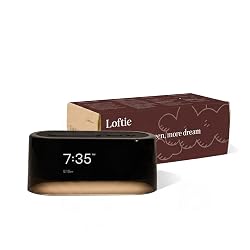
The Loftie Clock ($170) matches the Hatch’s price with similar build quality and a different design aesthetic. However, it lacks sunrise simulation entirely, focusing instead on calming soundscapes and a two-phase alarm system. For those deciding between models, our detailed look at the Hatch Restore 2 versus Restore 3 clarifies whether the newest version’s improvements justify upgrading.
The Hatch’s strength lies in its comprehensive approach: quality sunrise simulation, extensive sound library, intuitive controls, and routine customization in a single, aesthetically pleasing package. You’re paying for integration and polish, not individual features.

Pros and Cons
What Works
- Effective sunrise simulation: The 250 lux output at 18 inches meets research-backed thresholds for circadian entrainment
- Phone-free operation: Three-button control system reduces bedtime screen exposure
- Sound quality: Built-in speaker delivers clear, full-bodied audio without tinny reproduction
- Routine customization: Four-stage sleep routine accommodates individual preferences and needs
- Build quality: Premium materials and thoughtful design justify the price point
- Dual functionality: Bedside reading light eliminates separate lamp requirements
What Doesn’t
- Subscription requirement: Full features require $50/year Hatch+ subscription on top of $170 device cost
- Brightness limitations: Manual brightness adjustment requires app access; can’t adjust via buttons
- Not the brightest: Some competing sunrise alarms offer higher lux output for larger rooms
- Initial setup complexity: WiFi connection and app configuration take time to dial in preferences
- Limited alarm flexibility: Only three routine slots can be saved and cycled through
Who Should Buy the Hatch Restore 3?
The Hatch Restore 3 makes sense for specific sleep situations. If you struggle with jarring phone alarms that leave you groggy, the gradual sunrise simulation addresses this directly. If bedtime screen time sabotages your sleep onset, the phone-free routine system provides structure without digital stimulation. If you’re building a comprehensive sleep hygiene protocol, the Hatch’s routine features support behavioral consistency.
It’s less suitable if you’re highly light-sensitive and require complete darkness for sleep (the clock display, though dimmable, still emits some light), if your budget caps at under $100 for sleep tools, or if you prefer simple, single-function devices over integrated systems.
After a decade managing anxiety-driven insomnia, I’ve learned that no single product fixes sleep problems. The biggest shift came from accepting that some nights simply won’t be perfect—getting upset about not sleeping is like getting upset that it’s raining outside. It’s pointless. The Hatch can’t create that acceptance for you, but it can support better sleep habits once you’re ready to build them. For those exploring different sunrise alarm options to find the right fit, our guide to the best sunrise alarm clocks for 2025 compares leading models across price points and features.
Alternative Considerations
The sunrise alarm category offers options at various price points. Budget-conscious buyers should examine whether they need the Hatch’s full feature set or if basic dawn simulation suffices. Light therapy lamps provide higher lux output for seasonal affective disorder but lack the integrated alarm and sound features.
White noise machines offer comparable sound libraries without sunrise capabilities. Sleep tracking devices provide data but not behavioral interventions. The Hatch attempts to combine these functions, creating value for those who want integrated solutions and friction for those who prefer specialized tools.
Your decision should align with your specific sleep challenges and budget constraints. The Hatch excels at routine-building and phone-free operation but demands premium pricing for full functionality.

Final Verdict
The Hatch Restore 3 delivers on its core promise: gradual light-based awakening that feels more natural than traditional alarms. The sunrise simulation works as advertised, the sound quality exceeds expectations, and the phone-free control system genuinely reduces bedtime screen exposure.
The $170 base price plus $50 annual subscription creates a significant investment that won’t make sense for everyone. Budget sunrise alarms provide basic dawn simulation for a fraction of the cost. Premium alternatives like the Philips SmartSleep offer comparable sunrise quality without subscription requirements.
The Hatch’s value proposition rests on integration and user experience. If you want comprehensive routine-building capabilities, high-quality sound options, and thoughtful industrial design in a single device, the pricing becomes more defensible. If you simply want a light that gradually brightens before your alarm sounds, cheaper options exist.
After testing countless sleep products over the past decade, I’ve become skeptical of anything marketed as transformative. The Hatch Restore 3 won’t fix underlying sleep disorders or replace professional treatment for insomnia. What it can do is support better sleep habits through consistent routines, reduce bedtime phone usage, and make mornings less brutal through gradual awakening.
That’s not revolutionary, but it’s genuinely useful for the right person. Whether you’re that person depends on your specific sleep challenges, budget flexibility, and willingness to invest in behavioral change rather than quick fixes.
Transparency Box
This review contains affiliate links. If you purchase through these links, liveworksleep may earn a commission at no additional cost to you. These commissions support our ability to provide detailed, unbiased reviews and maintain this site. Our editorial opinions remain independent of any affiliate relationships.
Read more articles on the Sunrise Alarm Clocks Hub.
About the Author
Scott Hilliard is the founder of liveworksleep and has spent the past decade managing anxiety-driven insomnia through evidence-based approaches and extensive product testing. His hands-on experience with sleep optimization tools, combined with consultations with medical professionals and sleep specialists, informs his practical, skeptical approach to sleep advice. Scott believes in acceptance over perfectionism and helps readers make informed decisions about sleep products and techniques.